Skincare Journal
Why Sunscreen Is Important: A Simple Guide for Everyday Skin
Sunscreen is the one skincare step that protects everything else you do. Here is why you need it every day, how to read SPF and PA, and how to use it the right way.
 Beautylia · 5 min read
If you could pick only one skincare product, most skin experts would tell you to pick sunscreen. Cleansers, serums and creams all help, but without sun protection a lot of that good work slowly fades away. In a sunny country like Bangladesh, sunscreen is not a luxury. It is basic care.
Let us look at what the sun actually does to your skin, and how to use sunscreen in a way that really works.
What the sun does to your skin
Sunlight carries ultraviolet (UV) rays that we cannot see or feel. There are two main types:
- UVB rays burn the top layer of the skin. They cause redness, sunburn and peeling.
- UVA rays go deeper. They break down collagen, the protein that keeps skin firm, and cause dark spots, uneven tone and early wrinkles.
UVA rays are present all day, all year, even when it is cloudy. They also pass through glass. That is why you can get tanned or darker sitting near a window or travelling by car.
Five reasons to wear sunscreen every day
- It prevents dark spots and tanning. Sun exposure is the biggest trigger for pigmentation, melasma and acne marks that refuse to fade.
- It slows down ageing. Most fine lines, sagging and rough texture on the face come from years of unprotected sun, not just age.
- It keeps your skin tone even. Brightening products like vitamin C or niacinamide work much better when you stop new damage at the same time.
- It protects sensitive and acne prone skin. Sun can make redness and post acne marks darker and longer lasting.
- It lowers the risk of skin cancer. Daily use of sunscreen is one of the simplest ways to protect your skin health for the long term.
SPF and PA: what do they mean?
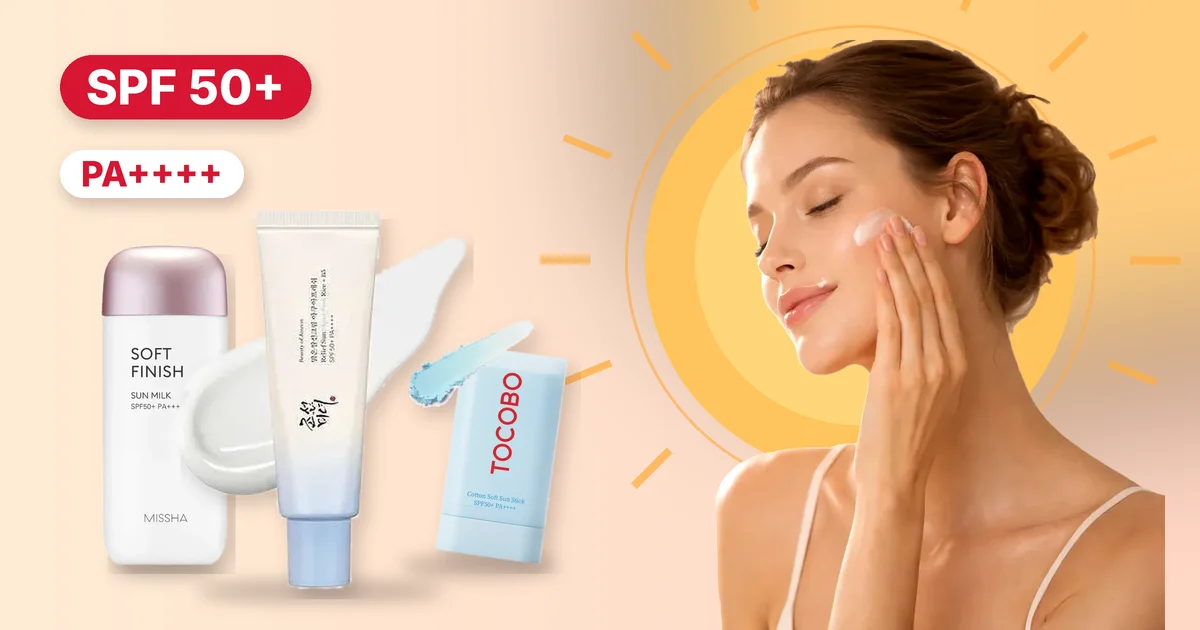
SPF (Sun Protection Factor) shows how well a sunscreen protects against UVB, the burning rays. SPF 30 blocks about 97% of UVB and SPF 50 blocks about 98%. For daily life in our climate, SPF 30 to 50 is a good choice.
PA shows protection against UVA, the ageing and darkening rays. It is written with plus signs, from PA+ to PA++++. The more plus signs, the better. Look for PA+++ or PA++++.
Also look for the words broad spectrum, which means it protects against both UVA and UVB.
How much sunscreen should you use?
This is where most people go wrong. To get the protection written on the bottle, you need about two finger lengths of sunscreen for the face and neck. Squeeze a line of sunscreen along your index and middle finger, from the base to the tip. That is the right amount.
If you use only a small dot, you may be getting less than half the protection.
When and how to apply it
- Apply sunscreen as the last step of your morning skincare, after moisturiser and before makeup.
- Wait 10 to 15 minutes before going out, so it settles well on the skin.
- Do not forget your ears, neck and the back of your hands.
- Reapply every 2 to 3 hours if you are outside, sweating, or after washing your face.
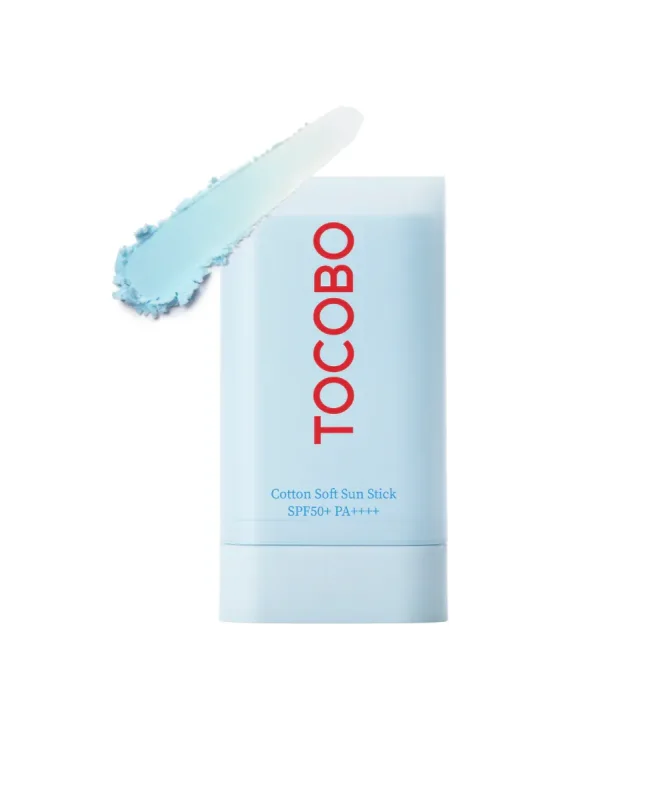
- Over makeup, a sun stick or a sun cushion makes reapplying easy.
Tip: Sunscreen is needed even at home or in the office if you sit near a window, because UVA passes through glass.
Which sunscreen suits your skin?
- Oily or acne prone skin: choose a light gel, fluid or matte finish sunscreen that says non comedogenic.
- Dry skin: choose a creamy, moisturising sunscreen or a sun serum with hydrating ingredients.
- Sensitive skin: mineral (physical) sunscreens with zinc oxide or gentle formulas with centella are usually calmer on the skin.
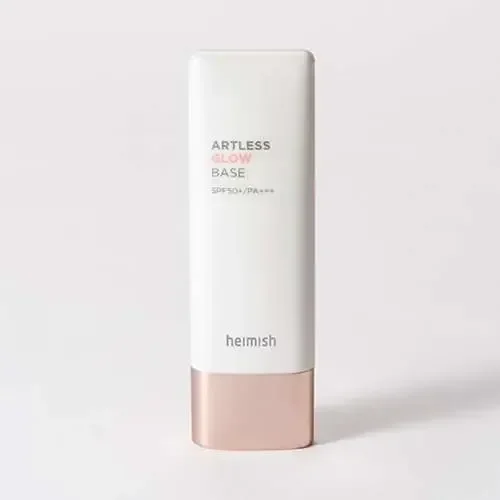
- Dull or uneven skin: a tone up sunscreen gives a soft brightening effect along with protection.
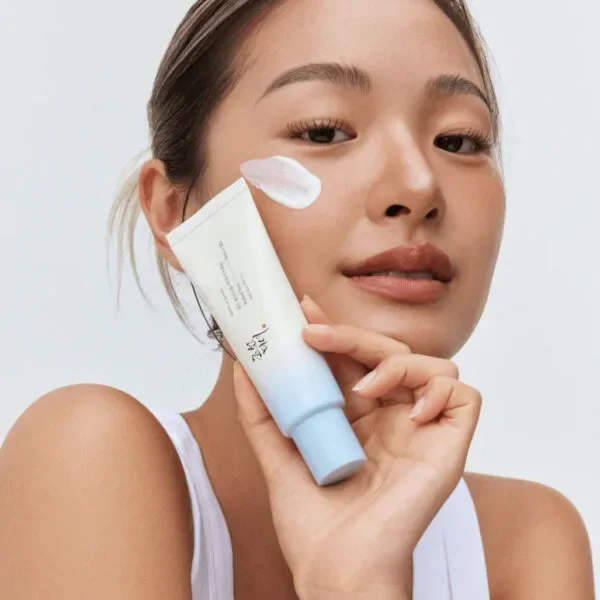
Korean sunscreens are popular because they feel light, leave little or no white cast and sit nicely under makeup, which suits humid weather.
Common sunscreen myths
- "I have dark skin, so I do not need sunscreen." Not true. Darker skin still gets sun damage, and is often more prone to dark spots.
- "It is cloudy, so I can skip it." Up to 80% of UV rays can pass through clouds.
- "My makeup has SPF, that is enough." You would need a very thick layer of makeup to get that protection. Use a real sunscreen underneath.
The bottom line
Sunscreen is the step that protects every other step. Use SPF 30 to 50 with PA+++ or higher, apply two finger lengths every morning, and reapply when you are out in the sun. Your skin will thank you in a few months, and even more in a few years.
Shop authentic sunscreens at Beautylia with Cash on Delivery across Bangladesh.